If you have researched a Caribbean beach vacation in the past few years, you have met the word sargassum, probably attached to photos of golden beaches buried under brown seaweed. The floating algae has become the region’s least welcome seasonal visitor, and for travelers choosing between Mexico’s Riviera Maya and Belize, it raises a fair question: who gets it worse, and when?
The honest answer is that nowhere in the western Caribbean is completely immune, but geography deals the two destinations very different hands. Here is how sargassum season works, how Belize and the Mexican Caribbean compare, and how to plan a trip that stays ahead of the seaweed.
What sargassum is and when it comes
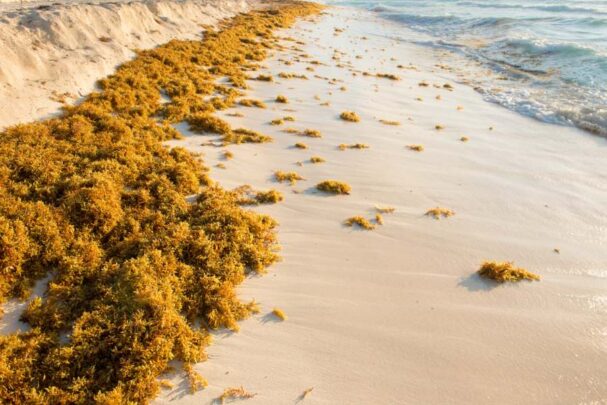

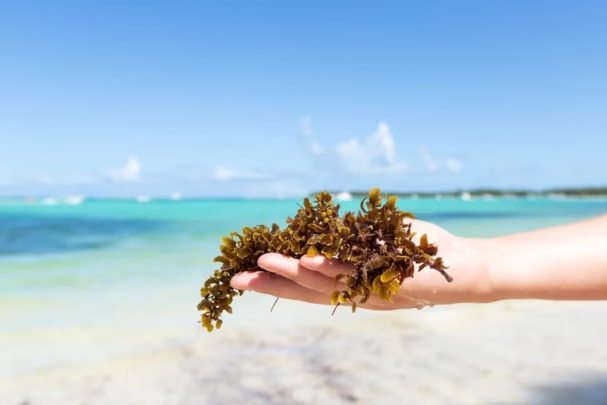
Sargassum is a free floating brown seaweed that drifts in huge mats across the Atlantic and Caribbean. At sea it is a thriving habitat for marine life. The trouble starts when currents and winds push those mats ashore, where they pile up on beaches and decompose. Over the past decade, massive blooms originating in the Atlantic have made shoreline landings a recurring seasonal event across the region. The season generally runs from spring through early fall, with the heaviest months typically falling in late spring and summer, and it varies significantly from year to year: some seasons are heavy, others surprisingly light, and no forecast is certain more than a few weeks out.
The Mexican Caribbean: a coastline in the crosshairs

The Riviera Maya’s geography works against it. The coast from Cancun through Playa del Carmen to Tulum faces the open Caribbean directly, squarely in the path of the currents that carry sargassum westward, and its long, straight, east facing beaches catch whatever the sea sends. In heavy seasons, resorts deploy barriers and armies of rakers, and the daily seaweed report becomes part of trip planning. Mexican authorities and hotels invest enormously in cleanup, and conditions can be perfectly pleasant on any given day, but during peak months the region is, by geography alone, one of the most exposed shorelines in the Caribbean.
Belize: the reef changes the game

Belize sits on the same sea but plays a different hand. The Belize Barrier Reef, the largest in the Western Hemisphere, runs the length of the coast offshore, and it intercepts and deflects a meaningful share of drifting sargassum before it ever reaches land. Just as important, Belize’s coastal geography is not one long exposed beach but a scatter of islands, leeward shores, and sheltered waters inside the reef. Some shorelines do catch seaweed in season, particularly east facing beaches on the cayes and stretches of the mainland coast in heavy years, and Belizean communities run their own cleanup efforts when it arrives. But the overall pattern favors Belize: less direct exposure, more naturally sheltered options, and far more ways to route a vacation around the seaweed when it shows up.
The structural advantage: Belize is not just a beach

Here is the comparison travelers miss. In the Riviera Maya, the beach is the product, so a seaweed day is a vacation problem. In Belize, the beach is one chapter of a trip that also includes the reef itself, where snorkeling and diving happen in clear water beyond the wrack line, plus rivers, rainforest, caves, and Maya cities inland. When sargassum touches a Belizean shoreline, travelers pivot: a snorkel trip to the reef or the outer atolls, where the water stays gorgeous, or an inland day in Cayo among ruins and waterfalls. The seaweed can inconvenience a Belize itinerary. It can hijack a beach only itinerary.
Advertisment

Timing your trip around the season

The calendar is your best tool. The late fall through early spring window, roughly November through March, is historically the cleanest stretch across the whole region, and it conveniently overlaps Belize’s glorious dry season. If your trip must fall in the summer months, build in flexibility: favor accommodations on sheltered or leeward shores, check recent conditions before you fly rather than relying on months old photos, and keep a reef or inland day in your back pocket. Operators and hotels know their local patterns intimately, so a quick question to your accommodation about current beach conditions will tell you more than any satellite map.
The honest verdict
Neither destination can promise a seaweed free beach in peak season, and any article that claims otherwise is selling something. But the comparison tilts clearly in one direction: the Mexican Caribbean’s exposed, beach centric coastline bears the brunt of sargassum season, while Belize’s barrier reef, scattered islands, and sheltered waters blunt the worst of it, and the country’s jungle and reef adventures give travelers somewhere wonderful to be on the rare day the tide brings company. If sargassum anxiety is shaping your Caribbean decision, Belize is the lower stress choice, and from November through March, it is barely a consideration at all.
Plan smarter, not seaweedier. Time your Belize escape with the seasonal guides at www.belizehub.com and find the reef, jungle, and island adventures that no sargassum season can touch.
Featured Belize Resort
Advertisment

Featured Tour Company
Advertisment

Real Estate Opportunities
Advertisment

Comments
Advertisment

Advertisment
Advertisment

Advertisment