When most school kids learn about Central American history, they tend to learn about the various indigenous cultures that the Europeans first encountered; two of these notable cultures would be the Aztecs and the Maya. Because likely more has been discovered about these cultures since when you were in school or you may just need a reminder, this article has been written with the goal of clarifying what makes each culture unique and even what they have in common.
Advertisment

The Aztecs
- This civilization resided in central Mexico from the 14th to 16th Centuries CE.
- Their language is known as Nahuatl and there are around 1.5 million remaining speakers yet none of it was written down.
- They are a Pre-Columbian Civilization.
- Their primary currencies were quachtli and cocoa beans.
- Children were educated until age 14.
- People were either “pipiltin” (nobles), “macehualli” (commoners), or slaves. Slavery was used as a means of repaying war debts and criminal punishment.
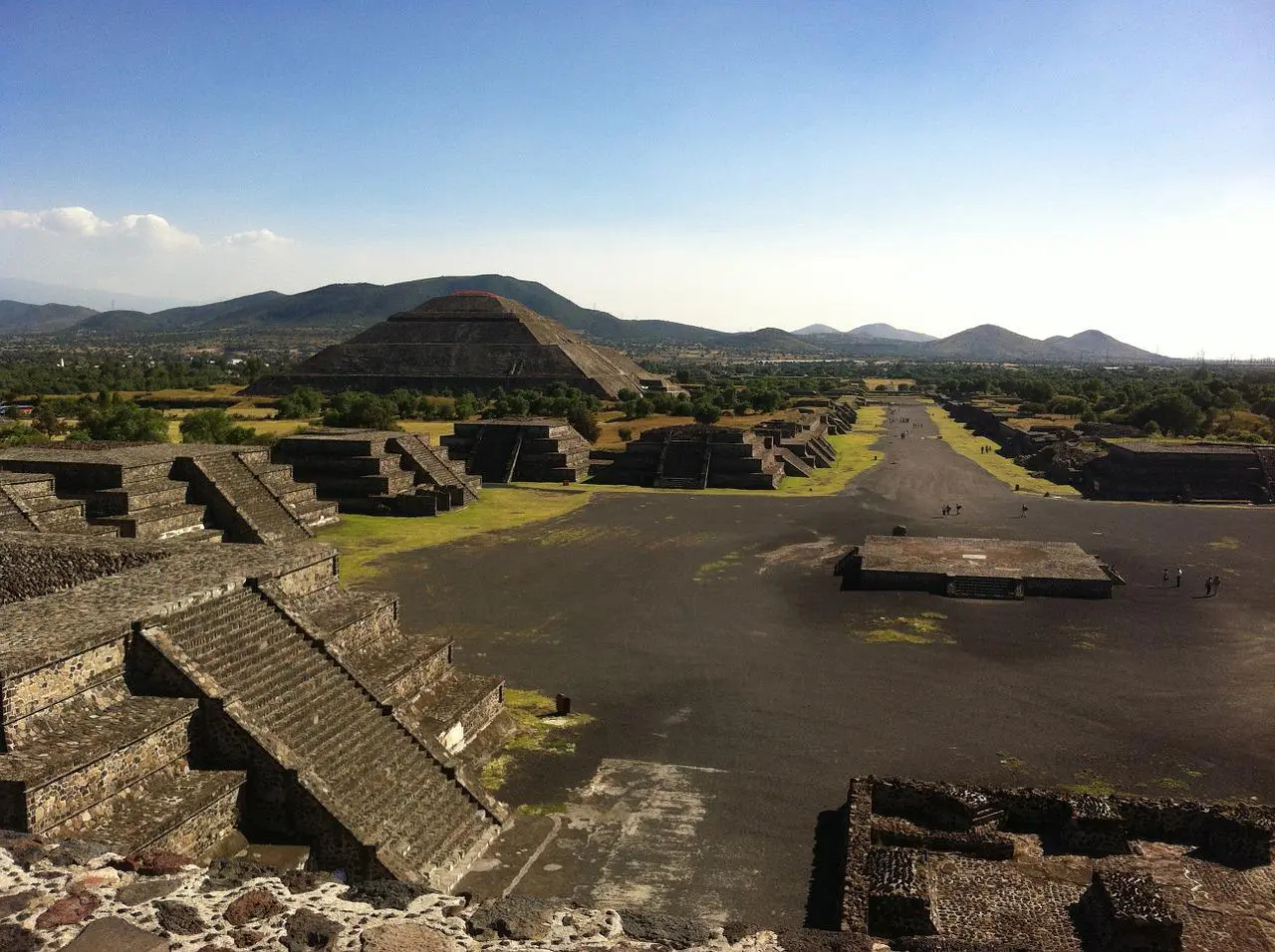
The Aztecs lived in Tenochtitlan, now known as Mexico City. The Aztec Empire consisted of an alliance between Tenochtitlan, Texcoco, and Tlacopan to overthrow Azcapotzalco, though Tenochtitlan was the most influential among the three. This led to the expansion of the military and trade and its power peaked in 1519 CE, just before the Spanish arrived in 1521.
The Maya
- This empire began around 2600 BCE.
- There are multiple Mayan languages and they were fully written down, consisting of both phonetic symbols and logograms. 29 different varieties were recognized between the Guatemalan and Mexican governments in 1996, including Yucatec Maya, K’iche’, Kaqchikel, Sacapultec, and Tojolabal.
- They had two numbering systems, one being base-five and the other being base-twenty. They also invented a 365-day solar calendar.
- They belong to the Pre-classical Period.
- Their monetary system included cacao seeds, salt, obsidian, and gold.

The Maya Empire extended from the southern portion of Mexico and into Belize, Guatemala, the western portion of Honduras, and the northern portion of El Salvador around 1800 BCE. Somewhere between the 8th and 9th Centuries CE, the southern empire collapsed through due to collapsed trade routes, foreign invasion, overpopulation, and revolt; somehow, the northern half of the empire continued to thrive until the Spanish conquistadores arrived in the early 16th century CE.
Between 250 and 900 CE, the Maya established many city-states and structures and it is from these places that they would engage in trade with other communities throughout Mesoamerica. Surviving examples of Maya architecture include Altun Ha, Copan, Caracol, Naranjo, Tikal, and Yaxha, each of which would have been ruled by a monarch during the Maya Empire’s days.
The Commonalities
- Both cultures occupied parts of Mexico.
- Both had a unique religion involving ritual human sacrifice.
- Neither had animals nor wheels to handle travel and transportation.
- Both built pyramids.
- Both were deeply dependent upon agriculture, especially corn.
Featured Belize Resort
Advertisment

Featured Tour Company
Advertisment

Real Estate Opportunities
Advertisment

Comments
Advertisment

Advertisment
Advertisment

Advertisment