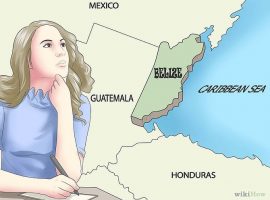
Belize is causing a stir in the climate change mitigation field with its innovative approach. The country is pioneering a plan to optimize the benefits of its mangrove forests in terms of carbon sequestration, tourism, fisheries, and coastal protection. This evidence-based strategy illustrates how blue carbon initiatives can be effectively integrated with economic growth, marking Belize as a standout example for coastal nations across the globe.
Following the findings of a seminal study carried out by Stanford University, among other international research institutions, Belize has committed to preserving and rejuvenating a swathe of mangrove forests comparable in size to Washington, D.C. by 2030. This decision is the direct result of this trailblazing research, recently published in Nature Ecology and Evolution.
The Blue Carbon Revolution
Coastal ecosystems, encompassing mangroves, salt marshes, and seagrasses, have an extraordinary capacity to absorb or “sequester” carbon. This phenomenon, known as blue carbon, offers a promising, nature-based answer to climate change, playing a crucial role in lowering greenhouse gas emissions. However, these measures have often been overlooked, particularly by larger coastal countries, including the United States.
Even with their demonstrated potential, determining the extent of carbon these ecosystems can store, as well as identifying the areas where these initiatives will yield the most considerable additional benefits, poses a significant challenge. This is where the pivotal research conducted by Stanford University enters the picture.
Balancing Ecosystems and Economies
Leveraging land coverage information from Belize and field evaluations from Mexico, the researchers worked in concert with various stakeholders and policymakers to gauge carbon storage and sequestration in Belize’s mangrove forests. The team used this data to model various conservation and restoration scenarios, thereby predicting additional benefits, including reduced flood risk, improved tourism, and enhanced fisheries.
The research revealed that even modest efforts towards restoration could greatly enhance tourism and the fishing sector while simultaneously reducing the risk of coastal flooding. Notably, the study underscored the vital role of existing mangroves, which were found to store carbon more effectively in the early phases compared to newly restored mangrove regions.
Interestingly, the study found that as the extent of mangrove coverage broadens, the non-carbon storage benefits begin to level off. Recognizing these turning points equips policymakers to find a delicate equilibrium between environmental conservation and coastal development, thus refining blue carbon policies.
A Climate Strategy with Global Implications
Motivated by the results, Belize has pledged to safeguard an additional 46 square miles of mangroves and rejuvenate an extra 15 square miles by 2030. If realized, this initiative will sequester millions of tons of carbon, enhance lobster fisheries by as much as 66%, stimulate mangrove-related tourism, and lower the coastal hazard risks for a larger number of residents.
Advertisment
This progress is noteworthy for a country with a population smaller than Tulsa, Oklahoma, and a GDP that approximates 2% of the annual budget of New York City. The strategy not only aims at mitigating climate change but also syncs with sustainable development objectives, thus paving the way for new funding opportunities for nature-centric solutions in Belize and nations alike.
Supported by the Natural Capital Project, the InterAmerican Development Bank, and the Asian Development Bank, the methodology is slated for implementation in ten countries, Belize included. Mary Ruckelshaus, the Executive Director of the Natural Capital Project at Stanford University, highlights that Belize’s model demonstrates “how the many benefits of nature can be quantified spatially to shape a country’s climate policy and investments.”
Belize’s efforts show that a country’s size doesn’t dictate its capacity to have a significant impact in combating climate change. With its well-balanced, evidence-based approach to mangrove restoration and conservation, Belize is at the forefront of blue carbon strategies, providing a template for coastal nations globally.
Featured Belize Resort
Advertisment

Featured Tour Company
Advertisment

Real Estate Opportunities
Advertisment

Comments
Advertisment

Advertisment
Advertisment

Advertisment