Somewhere in your Belize research, you may stumble across a curious local term: the norther. Perhaps a dive shop mentions waiting one out, or a forecast promises cooler days ahead, and suddenly you are wondering whether your tropical vacation has fine print. Relax. A norther is one of the most ordinary rhythms of the Belizean winter, locals genuinely enjoy them, and with a little understanding, your trip will roll right through one without missing a beat.
Here is everything travelers should know about northers and cold fronts in Belize: what they are, when they happen, how they actually affect your plans, and why the days right after one can be the most beautiful of your whole trip.
What exactly is a norther?
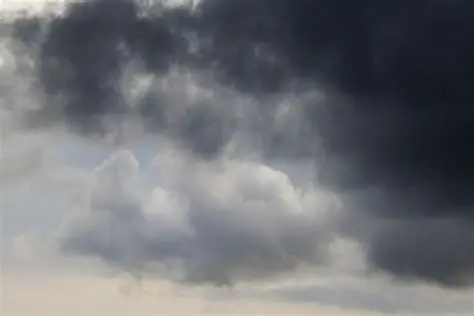
A norther, which Belizeans also call a cold front or simply a front, is a mass of cooler air that slides down from North America, crosses the Gulf of Mexico, and sweeps over Belize from the north. The same systems that bury Texas in a cold snap arrive here softened by their journey over warm water, bringing brisk north winds, a band of clouds and showers at the leading edge, and a noticeable drop in temperature behind it. In a country where warm and sunny is the default setting, a norther is winter’s way of visiting politely for a few days.
When do northers happen?
Norther season lines up with the northern winter, running roughly from November through February and tapering off into March, which means it overlaps with Belize’s busy dry season. A typical winter brings a series of fronts spaced through the season, and each one generally follows the same short script: a day or so of wind and gray as the front arrives, a cool spell of a day or two behind it, and then a return to standard issue Belizean sunshine. Most fronts are through and gone within one to three days.
What a norther feels like on the ground

The first sign is usually the wind swinging to the north and picking up, followed by clouds, a passing shower or steady drizzle, and then the coolness settling in. Daytime temperatures dip pleasantly, evenings turn genuinely crisp, and nights can slide into sweater territory, especially inland and up in the hills of the Mountain Pine Ridge, where the cool arrives with extra enthusiasm. Belizeans respond with a beloved seasonal ritual: sweaters appear, hot drinks multiply, and everyone cheerfully declares it cold at temperatures most northern visitors would call a perfect spring day. Around the holidays, these fronts even have an affectionate nickname, the Christmas breeze.
The real impact: what happens on the water
Here is where a norther actually touches an itinerary. Strong north winds stir up the sea, so during a front, boat rides get bumpy, water taxi crossings can be rough or occasionally delayed, and snorkel and dive operators may reschedule trips, shift to sheltered sites in the lee of the islands and reef, or wait a day for conditions to settle. Visibility underwater can dip while the sea is churned up, then rebounds beautifully once the front passes. Fishing patterns shift with the wind too, which seasoned guides simply work around. None of this is dangerous when you are in the hands of licensed local operators, because reading these conditions is their profession: if they say the reef trip moves to Thursday, thank them and take the day for something else.
The good news: inland barely blinks

While the sea grumbles, the land shrugs. Cave adventures, Maya ruins, jungle hikes, river trips, chocolate tours, and market days all carry on happily through a norther, and many are actually improved by it: climbing a temple or hiking to a waterfall in cool, breezy weather is a gift, and the misty mornings behind a front make the jungle look enchanted. This is the secret to norther proofing a winter itinerary: keep it flexible, and when a front blows through, simply swap your sea day for a land day and let the calendar rotate.
Advertisment

How to plan around cold fronts
A few habits make northers a non issue. Build at least one flexible day into any winter trip, especially if a specific boat trip, dive, or island crossing matters to you, so a rescheduled outing has somewhere to land. Book water activities with established operators and trust their judgment on conditions. Pack one light layer, a sweater or windbreaker, for cool evenings and breezy boat rides, something our dry season packing guidance recommends year round. Watch the forecast loosely once you arrive, and let your guides and hosts do the fine tuning, because nobody reads a norther better than the people who live with them every winter.
The silver lining: post front magic

Now the part the worriers never hear: the days right after a norther are frequently the finest of the Belizean winter. The front scrubs the sky to a deep, cloudless blue, the air turns clear and crisp, humidity drops, sunsets sharpen, and once the sea settles, underwater visibility can be spectacular. Locals treasure these sparkling post front days, and travelers lucky enough to catch one understand immediately why nobody in Belize fears a norther. It is less an interruption than a reset button, pressed by winter itself.
Wind, sweater, sunshine, repeat: now you speak Belizean winter. Plan your dry season escape with confidence using the seasonal guides and itineraries at www.belizehub.com.
Featured Belize Resort
Advertisment

Featured Tour Company
Advertisment

Real Estate Opportunities
Advertisment

Comments
Advertisment

Advertisment
Advertisment

Advertisment