By Sadie Dingfelder, Published: October 19
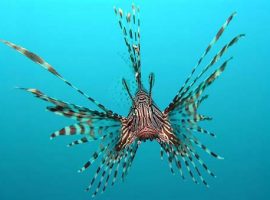
Gio is clearly having a lot of fun, but he’s also ridding the reef of a dangerous invader. Native to the Indian and Pacific oceans,lionfish were released into the Atlantic in the 1980s — most likely by Florida aquarium owners who tired of feeding the voracious creatures. Since then, these orange-and red-striped devils have colonized coastal waters from Rhode Island to South America, devastating local fish populations wherever they go.
In Belize, they’re making a meal of thetropical fish that tourists like me fly hundreds of miles to see. So, to protect the marine ecosystem and their own livelihoods, fishermen and dive professionals began hunting lionfish in 2002, Gio tells me once we’re back on the boat. “There was a bounty then,” he says. “Fifty dollars a fish.” Even with a price on their heads, the lionfish continued their invasion. “We need tourists to spear lionfish, and we really need people to start eating them,” Gio says.
Advertisment

When I’d booked my ticket to Belize, hunting and eating poisonous fish hadn’t been on the top of my to-do list. My plan was to laze around on a quiet beach with a frozen drink and take a leisurely look at the undersea scenery. Topside in Belize, I found plenty of laid-back charm. But beneath the ocean’s surface, I discovered a world of fearsome creatures engaged in a fierce battle for survival — and I got pulled into the melee myself.
Swimming with sharks
My home base for the week, Placencia, is a charming fishing village three hours from the capital, Belize City. Soon after arriving, my travel companion and I discover that the town’s real main street isn’t the recently paved road, but a narrow sidewalk that sets off near the public beach, wanders past sparsely populated cafes, and barges right through people’s back yards. In the afternoon heat, we see only a smattering of sunburned tourists on the sidewalk, but as the sun sets, the town’s melange of residents gathers to loiter and gossip.
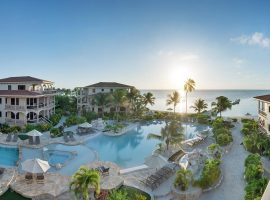
Featured Belize Resort
Advertisment

Featured Tour Company
Advertisment

Real Estate Opportunities
Advertisment

Comments
Advertisment

Advertisment
Advertisment

Advertisment