Fishing is an incredibly popular activity in Belize for both locals and tourists alike. Belize is becoming internationally known as a sportfishing paradise for the great catch that can be had in its coastal waters as well as the country’s focus on ecological sustainability. Whether you are planning a fishing trip during your visit or are just looking for the place to go for your next big catch, the following guide will go over everything you need to know about sport fishing in Belize.
What Belize Has To Offer Fishermen
Belize is an attractive destination for sports fishers for a number of reasons.
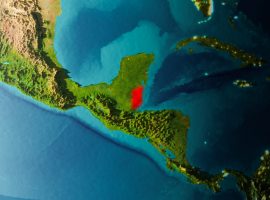
First is its location. The country borders Mexico and Guatemala in Central America and is only a two-hour flight from most locations in North America. This makes it relatively easy to go down for just a few days on a fishing trip. The capital and largest city, Belize City, is also located on the coast for easy access to prime fishing areas.
Because Belize’s official language is English, there isn’t a language barrier for Americans or Canadians who might be interested to try fishing in foreign waters. This makes it easier to enter the country and secure all needed permits. It’s also helpful because it allows visitors to converse with and understand their local guides.
The climate and weather in Belize are also highly desirable. Temperatures range from 70-95 degrees Fahrenheit throughout the year, with an average of 84. The water temperatures are about 78-80 degrees in the winter and 83 in the summer. The month of June is considered the green season, but it only affects inland and not the areas offshore. This makes for a comfortable fishing experience for most people. Only in the fall do colder fronts sometimes blow in from the north.
Popular Fishing Seasons
With Belize chosen as your destination, it’s now important to understand the best seasons to fish for certain species.
Grand Slam Season
Grand Slam Season is named because it is a time when all major sport fishing species are present in abundance. These include permit, bonefish, and tarpon. Aside from these, snook, barracuda, snapper, jacks, and grouper are also popular sports fish. Grand Slam Season takes place between May and early September each year.
Permit Season
Permit can be found in Belize’s waters throughout the year, though the catch is better when prevailing winds are present. This is usually in the spring, summer or winter, but fall can be a good time too so long as there aren’t cold fronts. The fish are found in the flats and bars of the offshore reefs and atolls. Belize has gained a reputation for being one of the best places for permit fishing in the world, with Fly Fishing in Saltwater magazine placing the country in the top 10 in a 2007 ranking.
Bonefish Season
Bonefish are plentiful in Belize throughout the year and there is not a particular season where it is best to catch them. However, anglers are only allowed to fish for them between April and October. These fish are generally large and respond better to flies than fish near the shore, but they move readily which means you should work on the accuracy of your casting. They prefer the lagoons and flats along with the interiors of Belize’s atolls.
Tarpon Season
Because tarpon migrates, they are a somewhat seasonal species. Resident populations are present year-round, but the best months to catch tarpon are June, July, and August. Tarpon fishing is great for those who like a challenge because they typically weigh between 60-90 pounds but some have been recorded as 100 or even 200 pounds.
Fishing Licenses
If you want to fish in Belize, you will need a fishing license. For a long time, permits weren’t required and people could fish anywhere they wanted, but a push to increase eco-tourism in the country and preserve its natural resources means that anyone who wants to fish in Belize really needs a license.
The Fisheries Department makes applying for and receiving a license relatively easy. You can do it online. Fishermen can also work with their guides to secure what they need.

Fishing Schedules
Fishing schedules are incredibly flexible in Belize. Although dependent on the tides, weather, and other factors, a fishing day usually lasts from after breakfast until around five in the afternoon. Early morning trips can be great for tarpon fishing, however, and arrangements can easily be made to go out on the water before breakfast. Many lodges and resorts offer sportfishing tours, especially in San Pedro, Placencia or Corozal.
Advertisment

Certain Fish Are Banned From Being Caught
There are some animals that are prohibited from being caught. Species that cannot be harmed or taken as a catch include the blue tang, all species of marine turtles, all parrotfish, doctorfish, surgeonfish, whale sharks, all marine mammals, coral, and some others. There are also restrictions in place for marine protected areas, such as a ban on nets. Speak with your guide if you are ever unsure or need more information.
Some Invasive Fish Are Encouraged To Be Caught
Belize wants some invasive species, however, out of its waters. Foremost is the lionfish. These are beautiful and striking fish but are not native to the Caribbean. They have no natural predators in the area and harm local species, so Belize encourages catching them. It is important to note that lionfish are poisonous. They are good to eat, but care must be taken to remove the poisonous fins before consumption.
A Mind Towards Conservation
While Belize is flexible in many aspects of fishing, the country takes great pride in its natural resources and wants to promote sports fishing in a sustainable way. Catch and release are actually common, which is something local guides, fishing lodges, and resorts encourage. This helps preserve the diversity and numbers of local fish populations while still providing fun sport. Of course, you are allowed to keep some fish – a barbecue of your fresh catch on the beach is a favorite pastime.
Featured Belize Resort
Advertisment

Featured Tour Company
Advertisment

Real Estate Opportunities
Advertisment

Comments
Advertisment

Advertisment
Advertisment

Advertisment