Disturbing Discovery at Bottom of Belize’s Great Blue Hole Reveals Human Impact on Pristine Natural Wonder

Belize’s Great Blue Hole, a mesmerizing marine sinkhole that has long intrigued tourists and scientists alike, has just unveiled some disturbing secrets. A recent expedition to the bottom of the iconic natural landmark has revealed a blend of incredible scientific discoveries and a grim reflection of humanity’s impact on even the most remote parts of our planet.
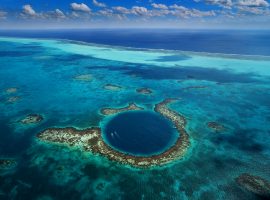
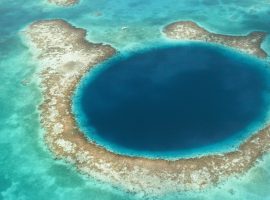
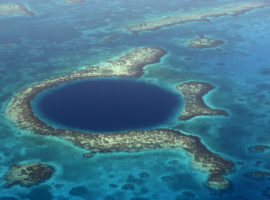
Stretching 318 meters across and 124 meters deep, the Great Blue Hole is one of Belize’s top attractionsBelize’s top attractions. However, due to a lack of equipment, it remained largely unexplored until a 2018 expedition funded by billionaire Richard Branson. The findings from this expedition went viral this week, exposing a side of humanity that many find unsettling.
An Expedition Filled with Surprises
Led by Aquatica Submarines, the expedition aimed to create a 3D map of the sinkhole’s interior. The crew, including Richard Branson, began their descent to the bottom of the Blue Hole, marveling at the stunning biodiversity, including sea turtles, reef sharks, and giant corals.
However, as they reached the 90-meter mark, life began to vanish. Erika Bergman, who was part of the expedition, reported a thick layer of toxic hydrogen sulfide stretching across the sinkhole, preventing oxygen from reaching deeper levels. They also discovered suffocated sea creatures that had fallen into the hole.
A Dirty Secret
The shocking discovery at the bottom was the presence of human rubbish, including a two-litre Coke bottle and a lost GoPro camera, alongside the remains of two human bodies believed to belong to divers lost in a previous expedition.
The team also made some fascinating scientific discoveries. Stalactites found within the hole proved it was once a dry cave home to prehistoric life, and scientists believe the cave formed during the last Ice Age. With waterfalls of sand slowly filling it up, researchers predict the Great Blue Hole won’t be around forever.
Climate Change and Human Impact
The expedition brought to light the dire consequences of human actions on even the most remote and untouched places on Earth. Branson described the expedition as “one of the starkest reminders of the danger of climate change [he had] ever seen,” highlighting the threat of single-use plastic.
Advertisment

Reactions online were swift, with many expressing shock and disappointment at the troubling findings. The incident served as a sobering reminder of humanity’s widespread influence on the environment.
A Wake-Up Call
The discoveries in the Great Blue Hole should serve as a wake-up call to the world. The blend of scientific intrigue and the unsettling presence of human waste demonstrates that even the most remote and breathtaking natural wonders are not immune to the impact of human activity.
The call to get rid of single-use plastic and to be more conscious of our footprint on the planet has never been more urgent. The Great Blue Hole’s beautiful allure and hidden secrets are a vivid reminder of what we stand to lose if we do not take steps to preserve and protect our environment. The story of the Great Blue Hole is not just a tale of exploration and discovery but a cautionary tale that urges us to act before it’s too late.
Featured Belize Resort
Advertisment

Featured Tour Company
Advertisment

Real Estate Opportunities
Advertisment

Comments
Advertisment

Advertisment
Advertisment

Advertisment