The Garifuna people are one of Belize’s most vibrant and resilient cultural groups, known for their rich traditions in music, dance, spirituality, and food. Descendants of West African, Carib, and Arawak peoples, the Garinagu (plural for Garifuna) were exiled from St. Vincent in 1797 and eventually settled along the Caribbean coast of Central America, including Belize.
Garifuna Settlement Day – November 19th

Every year on November 19th, Belize comes alive with the sounds of drums and the aroma of traditional foods as the country celebrates Garifuna Settlement Day. This national holiday commemorates the arrival of the first Garifuna to Belize in 1802. The most iconic event of the day is the reenactment of their arrival by dory (dugout canoe) to the shores, especially in Dangriga, considered the cultural capital of the Garifuna in Belize.
Festivities include parades, drumming, dancing, and church services, followed by feasting and storytelling that carry deep ancestral meaning. It’s a day of pride, reflection, and celebration—not just for Garinagu, but for all Belizeans.
Drumming and Dance: The Heartbeat of the Culture

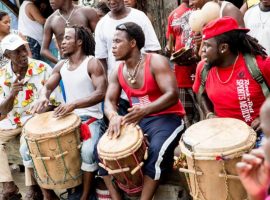
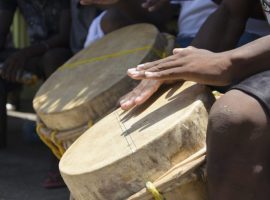
Garifuna music is a powerful, spiritual experience. Drumming is central, with rhythms passed down orally from generation to generation. The “primero” (lead drum) and “segunda” (bass drum) create polyrhythms that drive traditional dances like the Jankunu, Punta, and Paranda.
- Punta is perhaps the most popular form of Garifuna dance—upbeat, fast-paced, and performed at social gatherings and festivals.
- Paranda combines acoustic guitar and soulful lyrics, telling stories of struggle, resilience, and hope.
- Jankunu, typically performed during Christmas, features masked dancers in elaborate costumes, blending African and European influences.
Garifuna music and dance are recognized by UNESCO as Masterpieces of the Oral and Intangible Heritage of Humanity, and experiencing them live is a must for any traveler.
Flavors of the Garifuna Kitchen
Advertisment

Garifuna cuisine is hearty, flavorful, and deeply connected to the sea and land. Staples include cassava, plantains, coconut, and fresh seafood. Must-try dishes include:
- Hudut – a delicious coconut fish stew served with mashed plantains
- Tapou – a rich coconut soup with fish, green bananas, and other root vegetables
- Cassava bread – made from grated cassava and baked on iron griddles
- Bundiga – a dish made with green bananas and fish in a coconut-based broth
These meals are often prepared as a communal activity, reinforcing the deep cultural values of family and togetherness.
Whether you’re dancing to the hypnotic rhythm of the drums in Hopkins or savoring hudut in Dangriga, experiencing Garifuna culture is a powerful reminder of the diverse roots that make Belize so special. And if you’re visiting in November, make sure to time your trip around Garifuna Settlement Day—you won’t regret it.
Featured Belize Resort
Advertisment

Featured Tour Company
Advertisment

Real Estate Opportunities
Advertisment

Comments
Advertisment

Advertisment
Advertisment

Advertisment