Which Part Of Belize Is The Best To Stay?
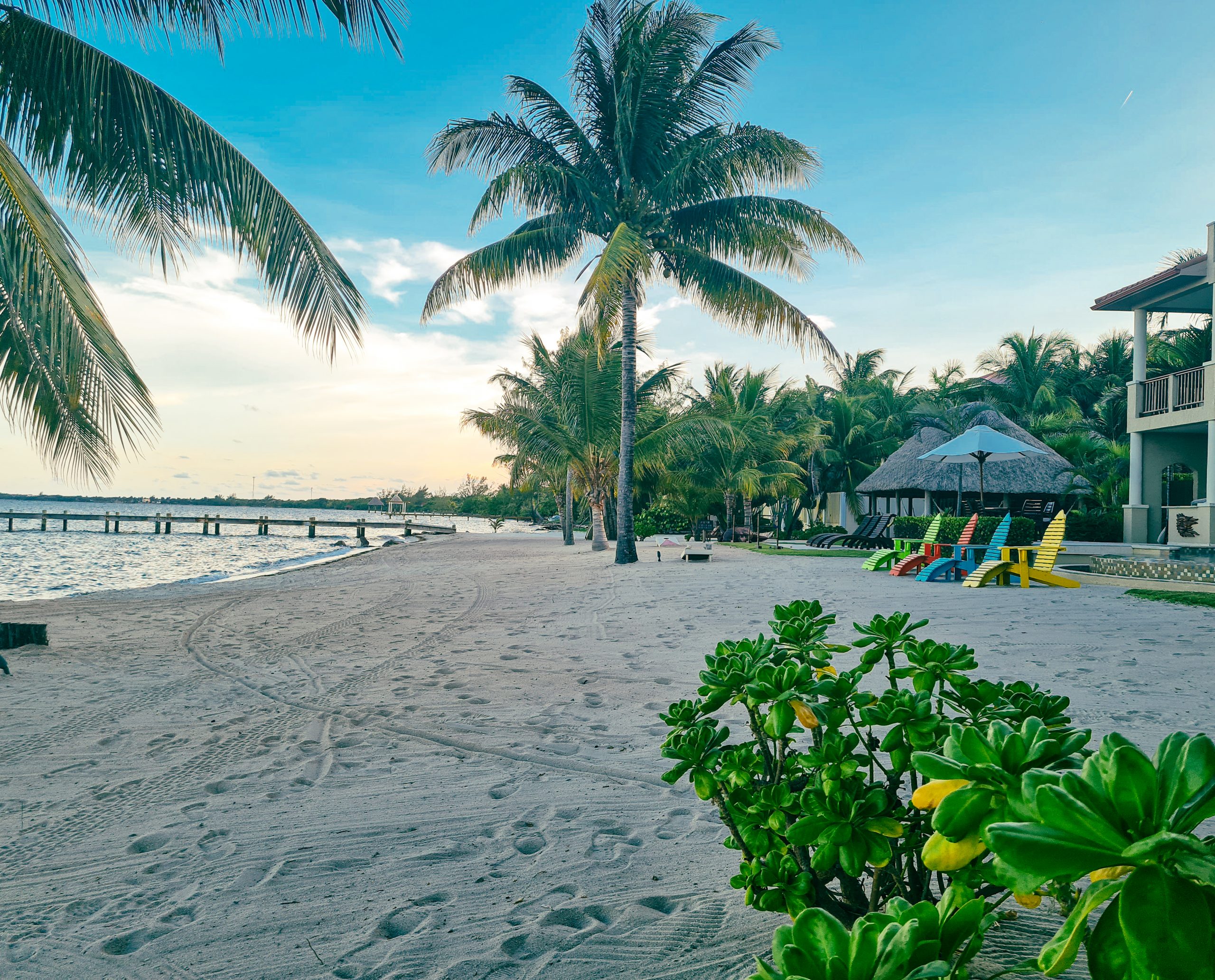
With a total surface area of 8,867 square miles, the Central American nation of Belize is less than a tenth of the size of Texas. But don’t let that comparison deceive you. Belize may be small, but it’s packed with ecological diversity and split into a number of different regions with their own unique cultures and senses of shared identity. That means that there’s a different flavor for practically any visitor’s palate. Here’s what you should know.
Stann Creek: Home of the Garifuna

The Afro-Caribbean group known as the Garifuna settled into the largely uninhabited southern region known as Stann Creek and have since expanded throughout the region. Their unique culture, food, and music is an integral part of the Belize experience, and the Garifuna town of Dangriga is largely recognized as the cultural capital of the country.
The Caribbean: Hundreds of Island to Explore

Belize’s biggest natural attraction is the Belize Barrier Reef, and the most popular point for tourists to explore it is the 25-mile long island of Ambergris Caye. It’s an expensive choice tailored to those who want to splurge, but it’s not the only one. Caye Caulker offers a very similar experience for a fraction of the price, and there are many smaller choices sprinkled throughout the 400 or so islands that fall within Belize’s territorial waters.
The Toledo District: Home of the Modern Maya
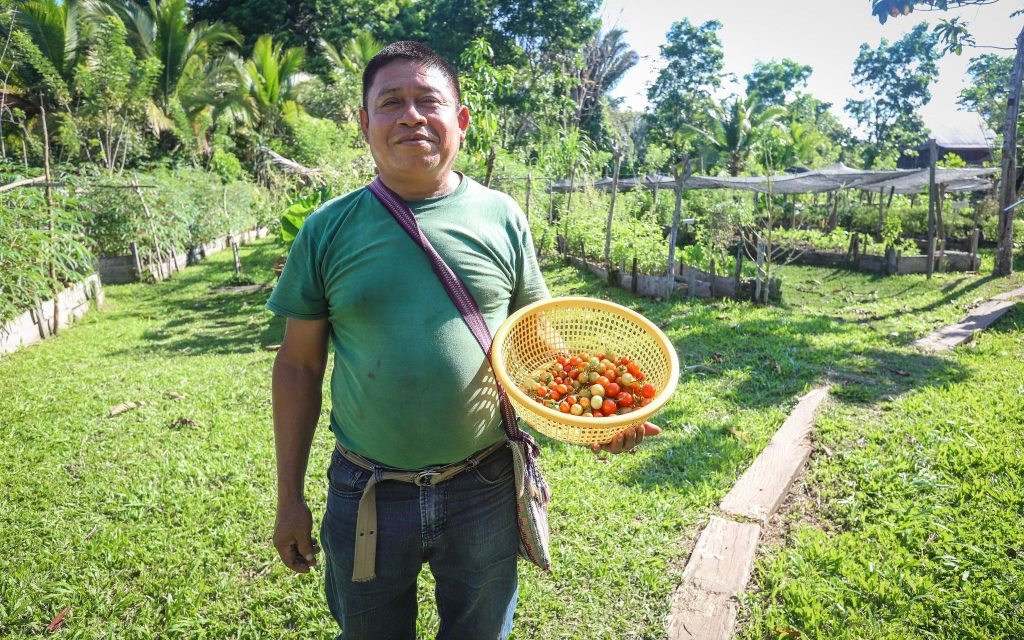
Venture south past Stann Creek and you’ll find yourself in the less traveled Toledo District. While it’s not quite the eco-tourism hot spot that the Cayo District is, Toledo is still thick with rainforests and is home to many smaller Maya villages. Tourist attractions are less common in Toledo, but the settlement of Punta Gorda is the biggest and is home to a burgeoning eco-tourism industry. If you’re looking to get away from throngs of tourists and experience the true culture of Belize’s indigenous populations, Toledo is the place.
Advertisment

The Cayo District: The Wild West
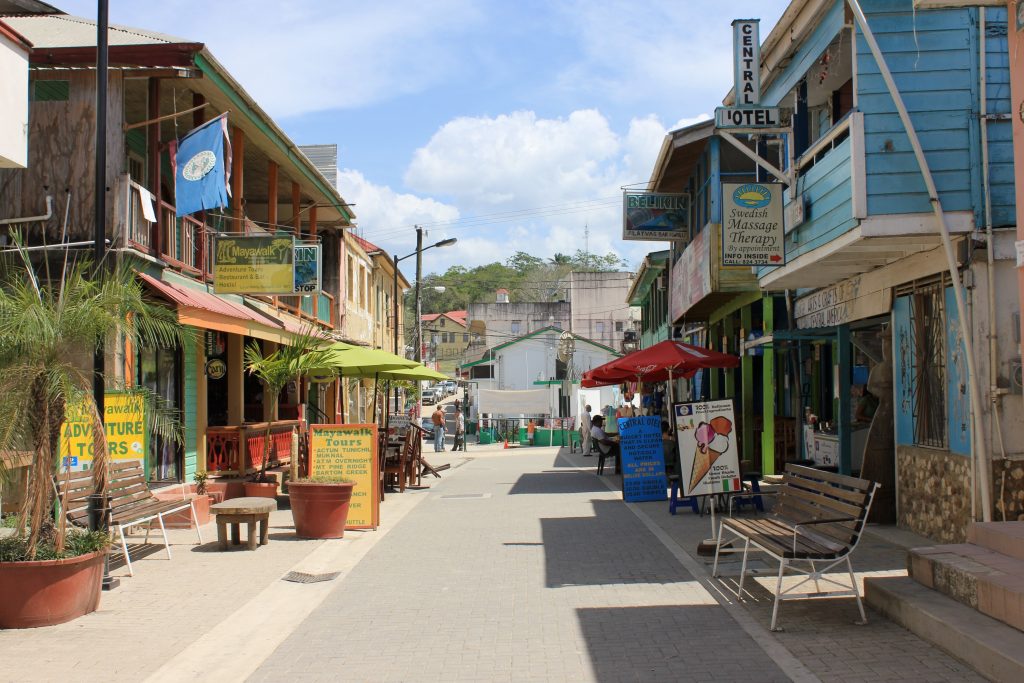
The 2,061 square mile Cayo District was a hub of power for the Maya Empire centuries ago, and today it’s home to huge numbers of extant Maya ruins and plenty of wilderness catered to more adventurous travelers. Conveniently, San Ignacio Town is widely considered as the entrance to this district — and it’s one of the most cultured and bustling towns within the country. It’s the perfect place to set up base camp for excursions into the interior.
Placencia: An Island You Can Walk To

This thin peninsula along Belize’s southeast coastline consists of an incredible amount of beachfront property, but it’s not nearly as crowded as some of Belize’s more popular islands. It allows you to enjoy the ambiance of a sleepy fishing town while also having easy access to beaches, open waters, and nearby parks like Cockscomb Basin.
Northern Belize: A Hidden Gem
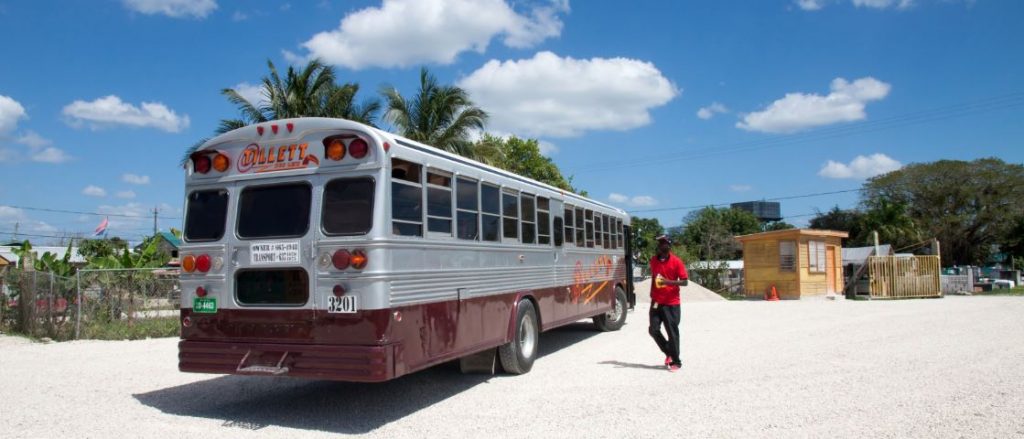
Northern Belize doesn’t get very much traffic from tourists, and visitors in the know like it that way. The twin towns of Corozal and Orange Walk have a distinctly Spanish vibe that permeates everything from the architecture to the culture, and this region has quietly become a hot spot for expats looking to blend in. Mangrove swamps and forests dominate much of the landscape, but there’s plenty of opportunities for adventures on the water thanks to nearby Chetumal Bay.
Featured Belize Resort
Advertisment

Featured Tour Company
Advertisment

Real Estate Opportunities
Advertisment

Comments
Advertisment

Advertisment
Advertisment
Advertisment