Belize, with its charming blend of pristine beaches, ancient Maya ruins, diverse wildlife, and friendly locals, is a captivating travel destination. However, if you plan to explore Belize independently, understanding the condition and layout of its roads is crucial. In this article, we provide an overview of what to expect when navigating the roads of Belize.
Road Classification
Belize’s road network consists of four main types: primary (paved highways), secondary (mainly paved, some gravel), tertiary (mostly unpaved), and local roads (a mix of gravel, dirt, and paved). The country has five primary highways: the Northern, Western, Southern, Coastal, and Hummingbird Highways, which are paved and generally well-maintained, connecting major towns and cities.
Road Conditions
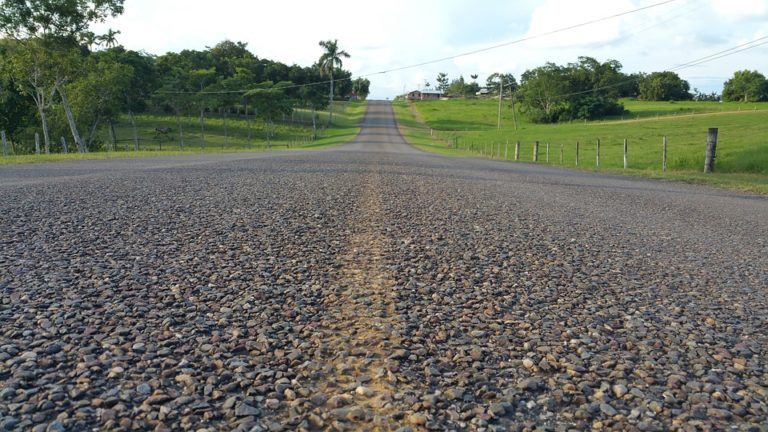
While Belize’s primary and many secondary roads are paved, it’s important to note that road conditions can vary greatly. In urban areas and along the main highways, roads are typically in good condition. However, secondary and tertiary roads, particularly those leading to more remote areas or natural attractions, can be unpaved and may become challenging to navigate during the rainy season.
Driving in Belize requires a sense of adventure, especially when venturing off the beaten path. Rural roads often lack signage and may have potholes, loose gravel, or sudden speed bumps, locally referred to as “sleeping policemen.”
Road Safety
Driving safety in Belize is generally comparable to other countries in Central America. However, travelers should be aware of a few unique aspects. Road lighting is inadequate in many areas, so night-time driving is not recommended. Also, keep an eye out for pedestrians, cyclists, and occasional livestock on the roads, particularly in rural areas.
Driving in Belize is on the right-hand side of the road, similar to the United States. Seatbelt use is mandatory, and the use of mobile phones while driving is prohibited. It’s also important to remember that drinking and driving laws in Belize are strict, and penalties can be severe.
Getting Around
For those not comfortable with driving, Belize offers several alternatives. Public buses are a popular and affordable option, especially for longer journeys. They’re not the fastest mode of transport, but they offer an authentic local experience. Taxis and shuttle services are widely available in cities and tourist areas, and they’re a convenient option for short trips.
For remote areas, water taxis are an exciting way to travel, particularly in coastal regions and to reach the cayes. Lastly, domestic flights operated by local airlines can connect you to different parts of the country quickly, albeit at a higher cost.
Advertisment

Driving Etiquette
Belizean drivers are generally courteous, but driving etiquette may differ from what you’re used to. Honking is often used as a friendly gesture or to signal overtaking. If you’re unsure about a road situation, locals are typically willing to help with directions or advice.
Final Thoughts
Overall, the condition of roads in Belize is a mixed bag. While the highways and urban roads are generally good, some challenges exist, particularly on rural and unpaved roads. However, with a sense of adventure, some caution, and a good map or GPS, driving in Belize can be part of the fun, offering the freedom to explore this beautiful country at your own pace.
Whether you choose to navigate Belize’s roads yourself or opt for public transport, the journey through this enchanting country is bound to be part of the adventure, adding to the richness of your Belizean experience.
Featured Belize Resort
Advertisment

Featured Tour Company
Advertisment

Real Estate Opportunities
Advertisment

Comments
Advertisment

Advertisment
Advertisment

Advertisment